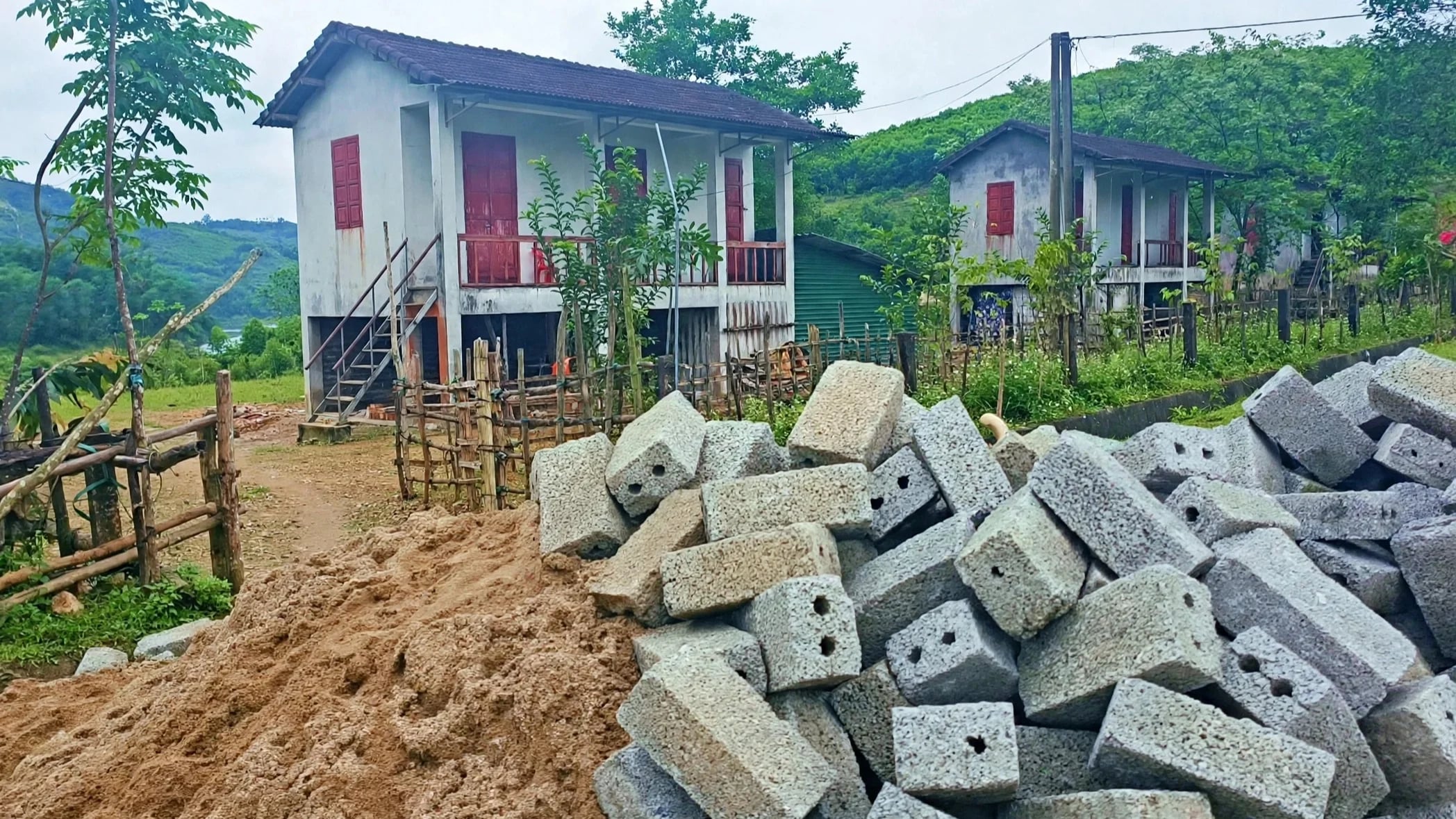
Rao Tre Village
Production readyPhuc Trach Commune, Ho Chi Minh City
About this location
Rao Tre Village - The Chut Ethnic Village in Ha Tinh Rao Tre Village is located in Phuc Trach commune, Ha Tinh province. The Chut ethnic village lies at the foot of Ka Day mountain along the Ngan Sau river, featuring traditional stilt houses, rice paddies, and the rich culture of the Ma Lieng group. RAO TRE VILLAGE – THE CHUT ETHNIC VILLAGE AT THE FOOT OF KA DAY MOUNTAIN Rao Tre Village is located in Phuc Trach commune, Ha Tinh province. Following Resolution 1665/NQ-UBTVQH15 in 2025, the new Phuc Trach commune merges the former Huong Trach, Huong Lien, and Phuc Trach communes. Nestled at the foot of Ka Day mountain in the Giang Man mountain range along the Ngan Sau river, the village is easily accessible from Huong Khe town via the Ho Chi Minh Highway. It is the sole settlement of the Chut ethnic minority (specifically the Ma Lieng subgroup) in Ha Tinh, covering nearly 164 hectares, including about 2.7 hectares of rice paddies and 0.6 hectares of subsidiary crops. Key filming backdrops include traditional stilt houses, the community cultural center, rice paddies, crop fields, the Ngan Sau river, Ka Day mountain, lush forests, dirt paths, and bamboo fences. Historically, the Chut people lived in caves and survived on hunting and gathering. In 1991, border guards and local authorities persuaded them to leave the caves and settle at the foot of Ka Day mountain, establishing Rao Tre Village. The village preserves unique cultural elements such as the Tro Bon musical instrument, the Lap Lo festival, traditional customs, community gatherings, weaving crafts, and wet-rice cultivation. The landscape is ideal for aerial flycam shots of the village nestled between mountains and rivers, medium shots of stilt houses and rice paddies, and close-ups of weaving crafts, traditional instruments, and daily community life. Suitable film genres include ethnic minority films, cultural documentaries, family dramas, road movies, community tourism promotion films, and ethnic folk music videos. Information compiled by: PTIT. Photo source: PTIT.
Location Videos & Footage
Location rules
- Obtain permission from the Phuc Trach Commune People's Committee, the Head of Rao Tre Village, and the Ban Giang Border Guard Station before filming, as the village is located near the border.
- Do not film, photograph, or interview residents, children, or private activities without explicit consent; do not coerce locals into acting according to a scripted scenario.
- Do not touch or move musical instruments, ancestral altars, or household items, and do not enter stilt houses without the homeowner's permission.
- Maintain order, dress politely, avoid loud talking, and refrain from filming inappropriate or sensitive content within the village and the community cultural center.
- Do not litter, make fires, or smoke in the forest or village; do not cut trees, break branches, pick rice, or damage bamboo fences.
- Do not operate flycams, shoot night scenes, or film during the Lap Lo festival without specialized permits. Restore locations to their original state after filming.
Infrastructure
Accessibility
- Car / 16-seat vehicle
- Motorbike
Facilities
- Waiting area
- Water source
- Restrooms
Production support
- Low noise
Special notes
- Flash floods
More locations in Ho Chi Minh City
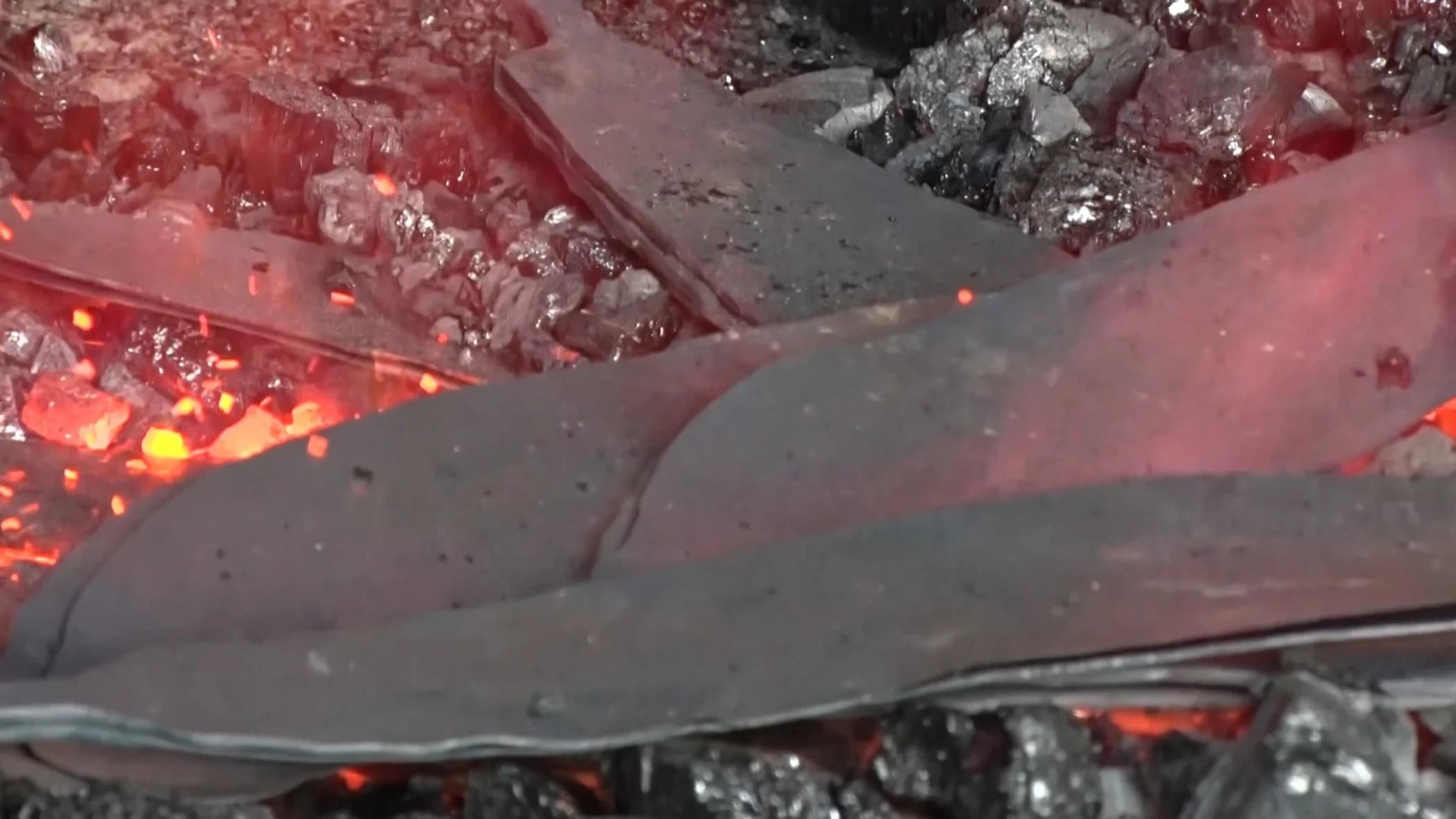
Trung Luong Ancient Blacksmith Village
PAI 75.0Ho Chi Minh City
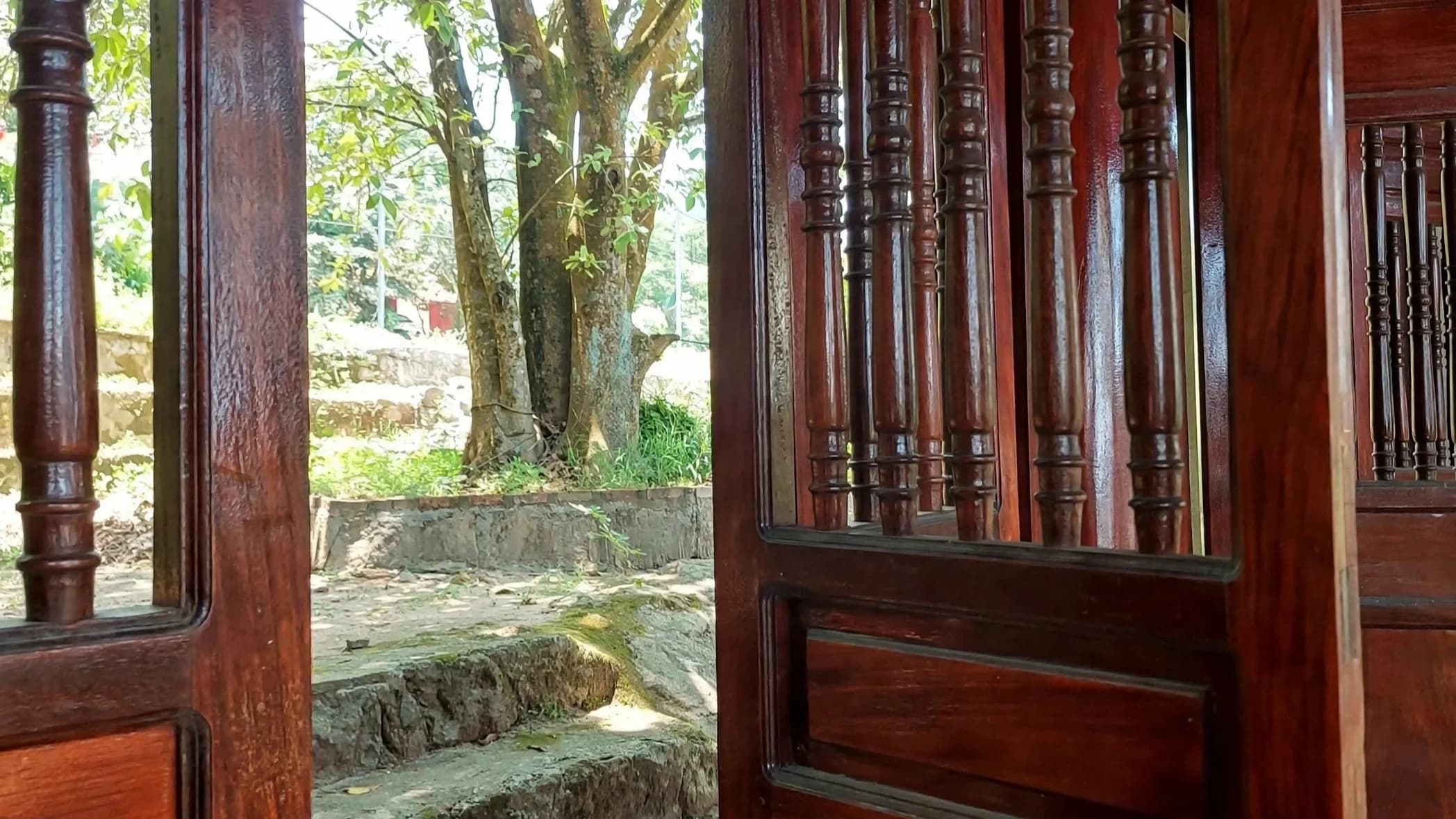
Thien Tuong Pagoda
PAI 75.0Ho Chi Minh City
Ky Ninh Beach
PAI 75.0Ho Chi Minh City
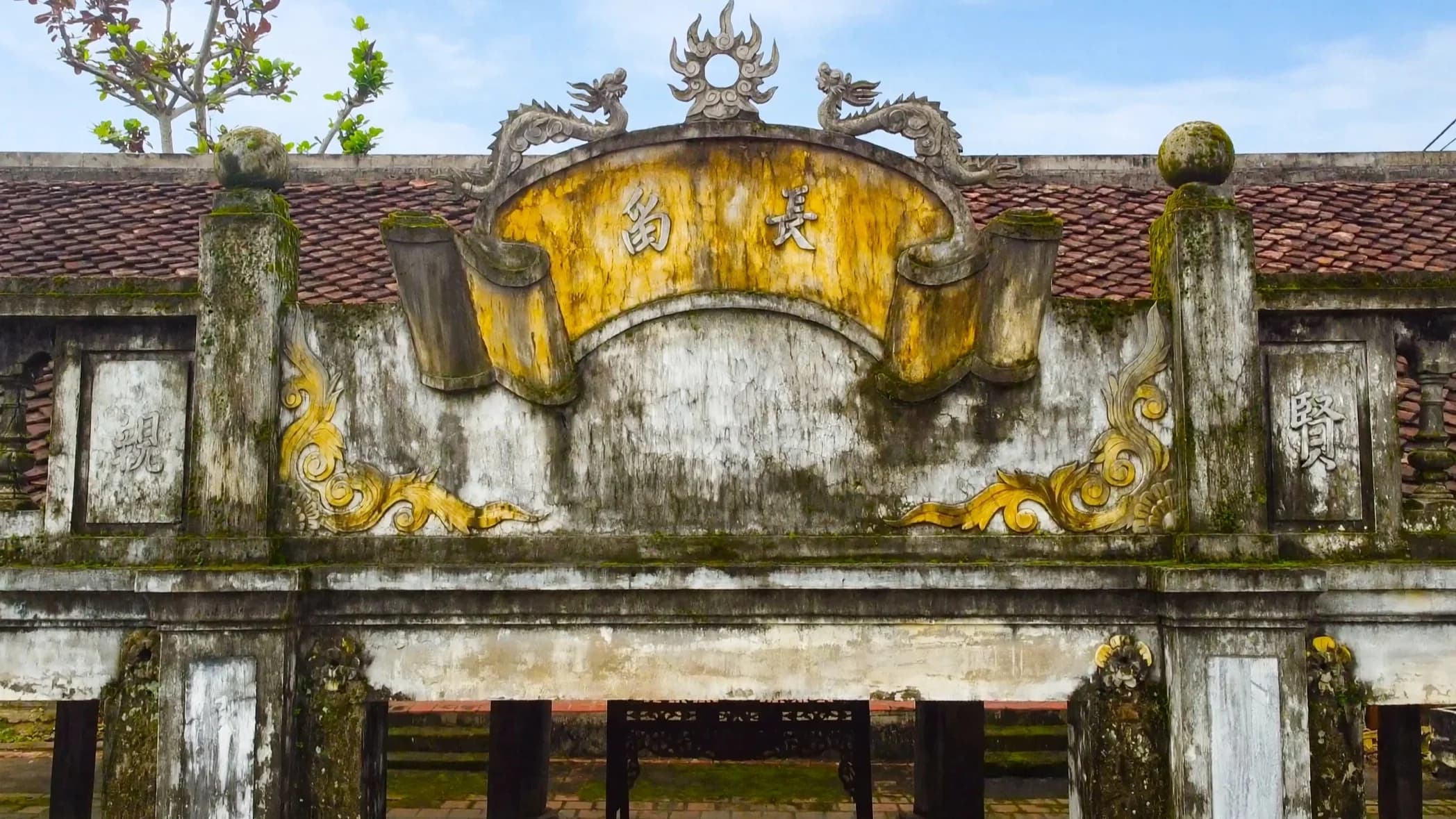
Truong Luu Ancient Village
PAI 75.0Memory of the World: Han-Nom documents of Truong Luu villageHo Chi Minh City
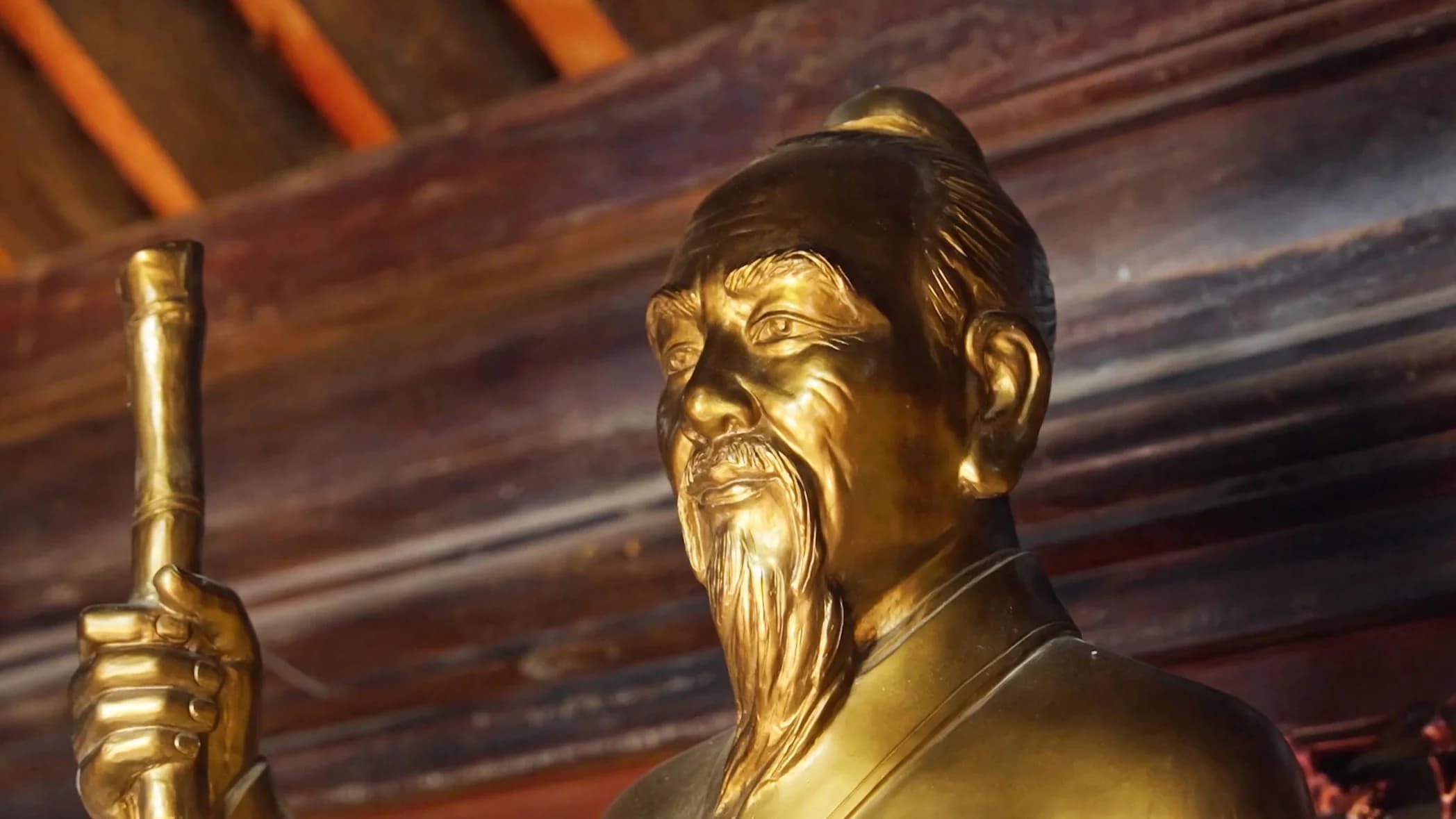
Hai Thuong Lan Ong Le Huu Trac Memorial Complex
PAI 75.0Ho Chi Minh City
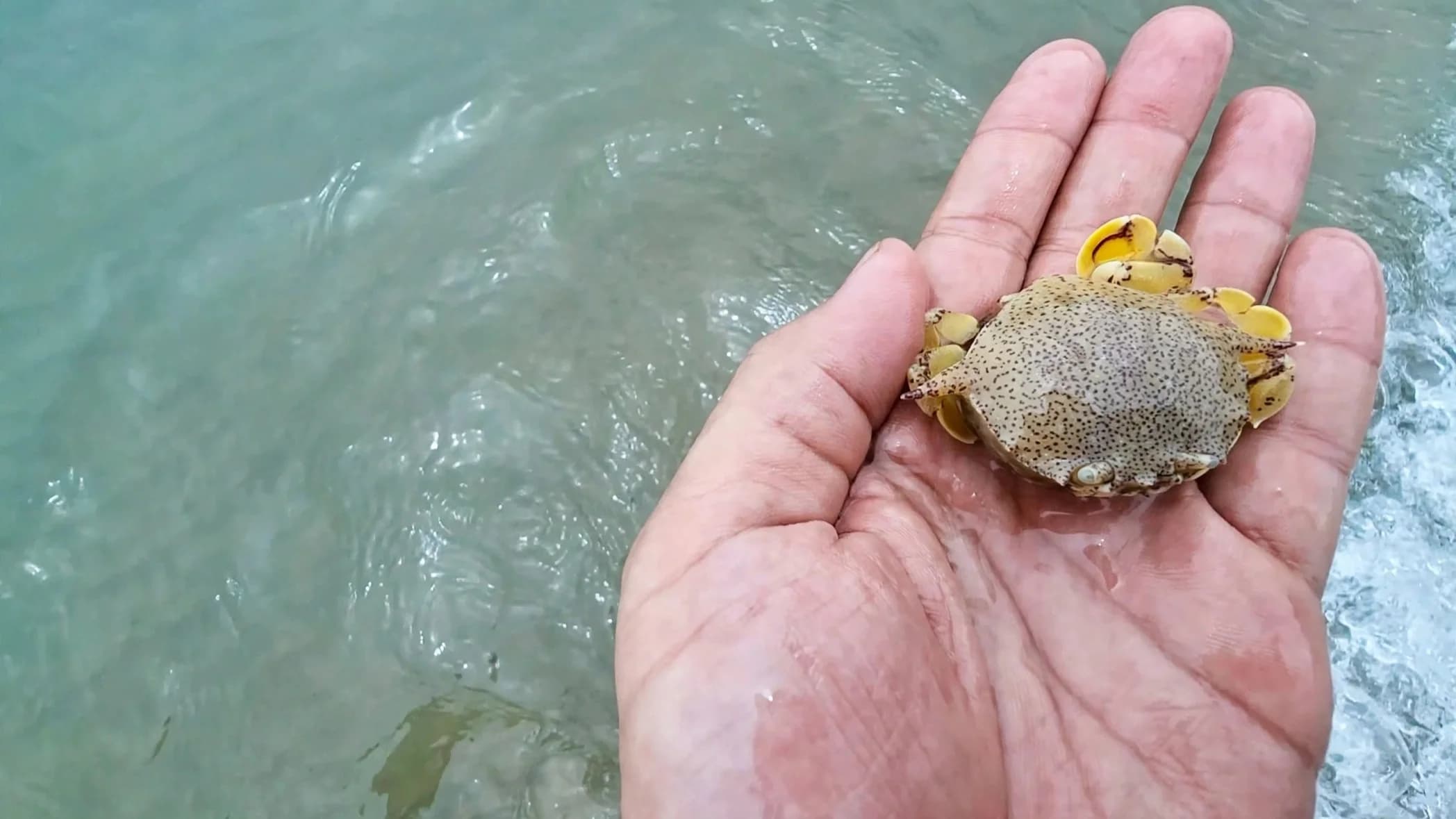
Ky Xuan Beach
PAI 75.0Ho Chi Minh City
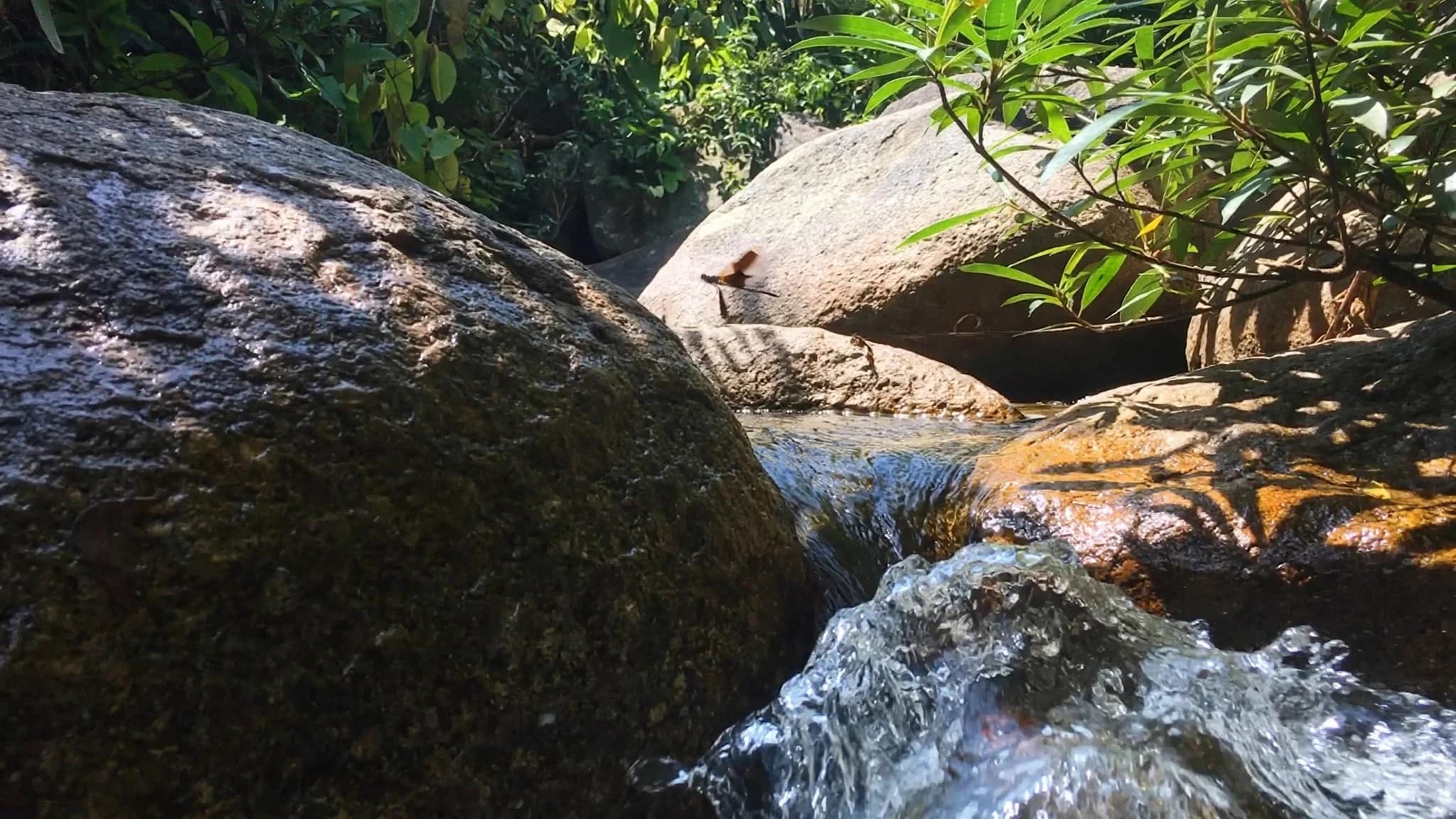
Xuan Hoa Dam
PAI 75.0Ho Chi Minh City
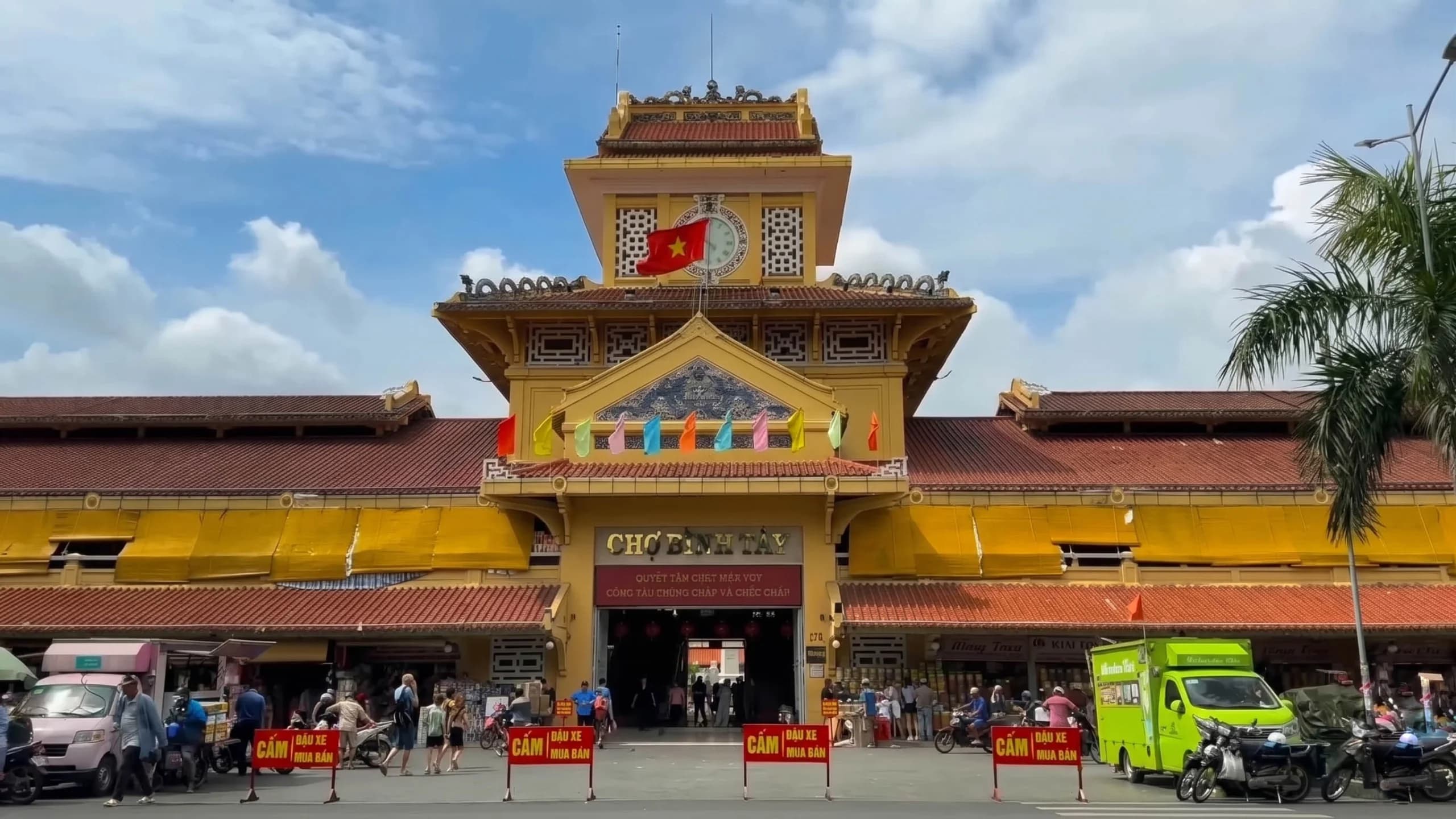
Binh Tay Market
PAI 75.0Ho Chi Minh City