Vietnamese cinema taps into indigenous culture
15:37

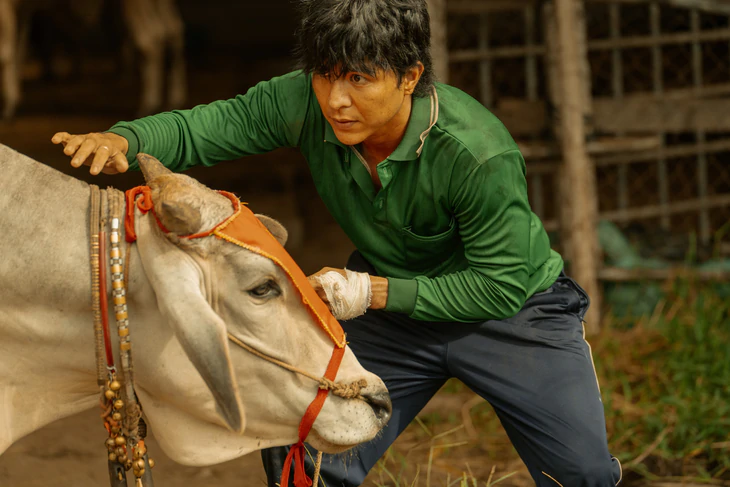
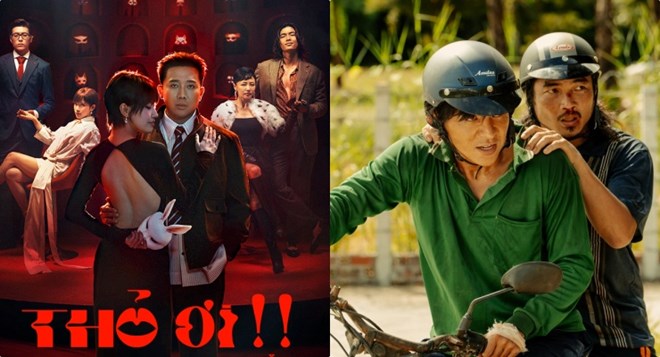
Recently, a series of Vietnamese films exploring settings and narratives rooted in indigenous culture have been released, creating a notable trend in the market and receiving strong audience support as well as commercial success. From "Bau vat troi cho" (Heavenly Treasure), "Mui pho" (The Scent of Pho), "Quy nhap trang 2" (Spirit Possession 2) to "Phi Phong: Quy mau rung thieng" (Phi Phong: The Sacred Forest Blood Demon), "Heo 5 mong" (The Five-Toed Pig), and "Trum so" (The Clam King)... each work selects a unique cultural slice to tell its story—whether it be folk beliefs, regional lifestyles, or legends passed down through generations. In the near future, projects such as "Ho linh trang si: Bi an mo vua Dinh" (The Guardian Warrior: Mystery of King Dinh's Tomb), "Tham tu Kien: Loi nguyen hoang kim" (Detective Kien: The Golden Curse), and "Lau chu Hoa" (The Hoa Mansion) are expected to continue the journey of bringing Vietnamese culture to the big screen, targeting both domestic youth and the international market.

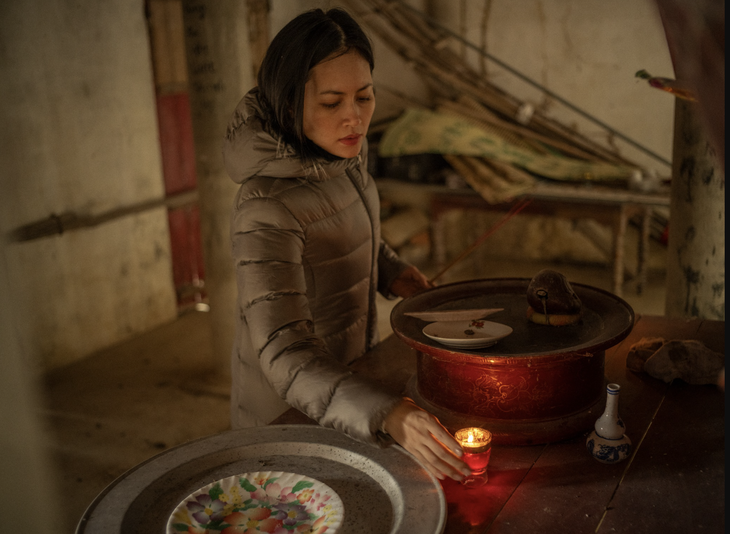
A funeral scene of mountain people in the film "Phi Phong".
The common thread in these films is that indigenous cultural elements serve as the core factor that provides depth and distinction. According to the director of "Phi Phong: The Sacred Forest Blood Demon", without cultural elements, a film remains merely entertainment. "Culture is the backbone. It gives the story stature and the potential to travel further," said director Do Quoc Trung.
Director Luu Thanh Luan, following the success of his supernatural film series including "Quy cau" (The Dog Spirit), "Linh mieu" (The Spirit Cat), and "Heo 5 mong" (The Five-Toed Pig), also believes that culture acts as a solid foundation that makes the narrative more convincing. When audiences recognize familiar elements, they are more likely to believe in the story, which in turn intensifies their emotional engagement.

Director Duc Thinh and the cast of the film "Trum So".
Director Duc Thinh asserts that cinema would become impoverished if filmmakers only chased market trends. "If there are only a few formulas that audiences like, and dozens of directors follow them, the market will lose its diversity. Never mock any creative path. Cinema needs many colors, and the audience is the one who benefits the most," he said. According to him, indigenous culture cannot be reduced to mere decoration. What is more important is maintaining each director's unique vision. When filmmakers lose themselves to follow trends, cinema loses not only its individual identity but also its genre diversity.
Sharing this view, director Le Thanh Son of the film "Bau vat troi cho" (Heavenly Treasure) argues that culture only has real value when it becomes part of the script's structure. "Culture must be integrated into the conflict and the character's psychology. Only then does it come alive, rather than just being an external layer of decoration," he emphasized. From this perspective, identity is no longer an added element, but the foundation that determines the depth of the work.
Exploiting indigenous culture is clearly becoming a prominent advantage for Vietnamese cinema, helping to create distinction and depth. However, this comes with strict limitations that filmmakers must face. In reality, the most difficult point is not whether to include cultural elements, but how to use them at an appropriate level. If overused, culture can easily become a heavy layer of information that slows down the pacing and overwhelms the audience. Conversely, if explored superficially, the work will quickly lose its unique mark and become forgettable in the market. Therefore, the biggest challenge for directors today is not finding material, but maintaining restraint—a fragile boundary that is decisive to the film's vitality.

The film "Five-Toed Pig"
Looking at the reality, exploring indigenous culture is not a fleeting trend, but a strategic direction. As Vietnamese cinema seeks to expand into the international market, culture serves as an essential "passport". But to utilize it, every filmmaker must embark on a long journey: from research and experience to distillation and creation. There is no common formula, no shortcut, only one commonality: honesty toward culture and toward oneself. Because ultimately, cinema is not just a story of images or techniques. It is also how a nation tells its own story through the language of emotion, memory, and identity.
Share: