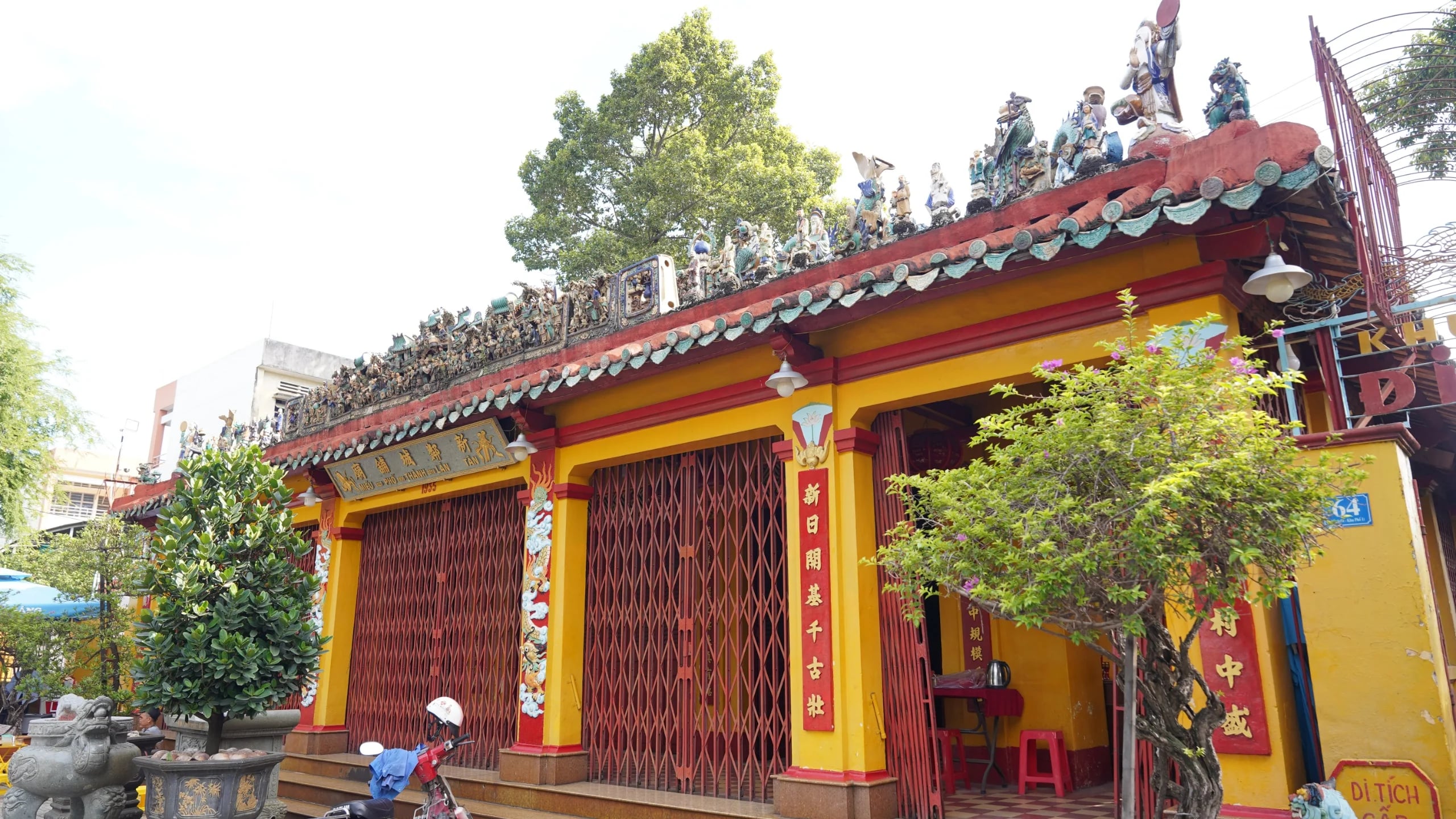
Tan Lan Communal House Historical Site
Nguyen Van Tri Street, Bien Hoa Ward, Dong Nai Province
About this location
Tan Lan Communal House - Dong Nai Located on Nguyen Van Tri Street (Hoa Binh Ward / central Bien Hoa City, Dong Nai Province), Tan Lan Communal House is one of the prominent national historical and art-architectural relics of the Bien Hoa - Dong Nai region, built in the 19th century during the Nguyen Dynasty (under Emperor Thieu Tri). Featuring a spacious campus overlooking the Dong Nai River, the location strongly reflects Hue royal architectural style with structures arranged in the "Three" (三) Chinese character layout. It is notable for its sturdy ironwood pillar system, intricately carved and gilded wooden panels (bao lam), horizontal lacquered boards, parallel couplets, and ceramic relief art on the tiled roof. The cinematic value of Tan Lan Communal House lies in its solemn, ancient atmosphere, making it ideal for recreating feudal royal court settings, meeting spaces, traditional religious activities, or large-scale historical and semi-historical scenes. Suitable for historical films, period dramas, semi-historical films, cultural-artistic documentaries, or film projects requiring large-scale traditional village communal house architecture strongly imbued with Nguyen Dynasty architectural hallmarks.
Location rules
- Strictly prohibited content: revealing state secrets, opposing the State, distorting history, violating sovereignty, undermining national solidarity, and insulting national figures or heroes (Article 9, Cinema Law).
- Strict compliance with regulations on protecting national historical-artistic relics is required; absolutely no impact on ancient wooden structures, artifacts, ritual objects, and the religious practices of local residents.
- For foreign film crews, it is mandatory to use film production services provided by a Vietnamese film establishment in accordance with the law.
- Crews must submit an official request letter along with a detailed script or synopsis of the scenes to be filmed at the site for competent authorities to review and approve.
- Strictly adhere to the relic's opening hours; minimize night shoots or loud noises that could affect surrounding residential areas and the worshipping space.
- The use of Unmanned Aerial Vehicles (drones) is prohibited without airspace licensing documents from military authorities and the Relic Management Board; high-intensity, high-heat lighting equipment must not be used as it affects ancient wooden structures and gilded items.
- Visitors, crew members, and actors must wear polite, modest attire (long pants, sleeved shirts, no short or revealing clothing) and strictly respect the sanctity of the historical site; actors may only change costumes in areas permitted by the Management Board.
- Preserve the landscape and strictly refrain from trespassing on property or ancient artifacts within the main sanctuary and theatrical hall (nha vo ca).
Infrastructure
Accessibility
- 16-45 seat vehicle
- Car / 16-seat vehicle
- Motorbike
Facilities
- Near hospital
- 4G/5G internet
- Waiting area
- Water source
- Restrooms
Production support
- Low noise
Special notes
- Risks regarding regulations for protecting national relics and ancient wooden artifacts
- Risks regarding religious practices and community events
Heritage ranking information is provided by the location manager.
More locations in Dong Nai Province
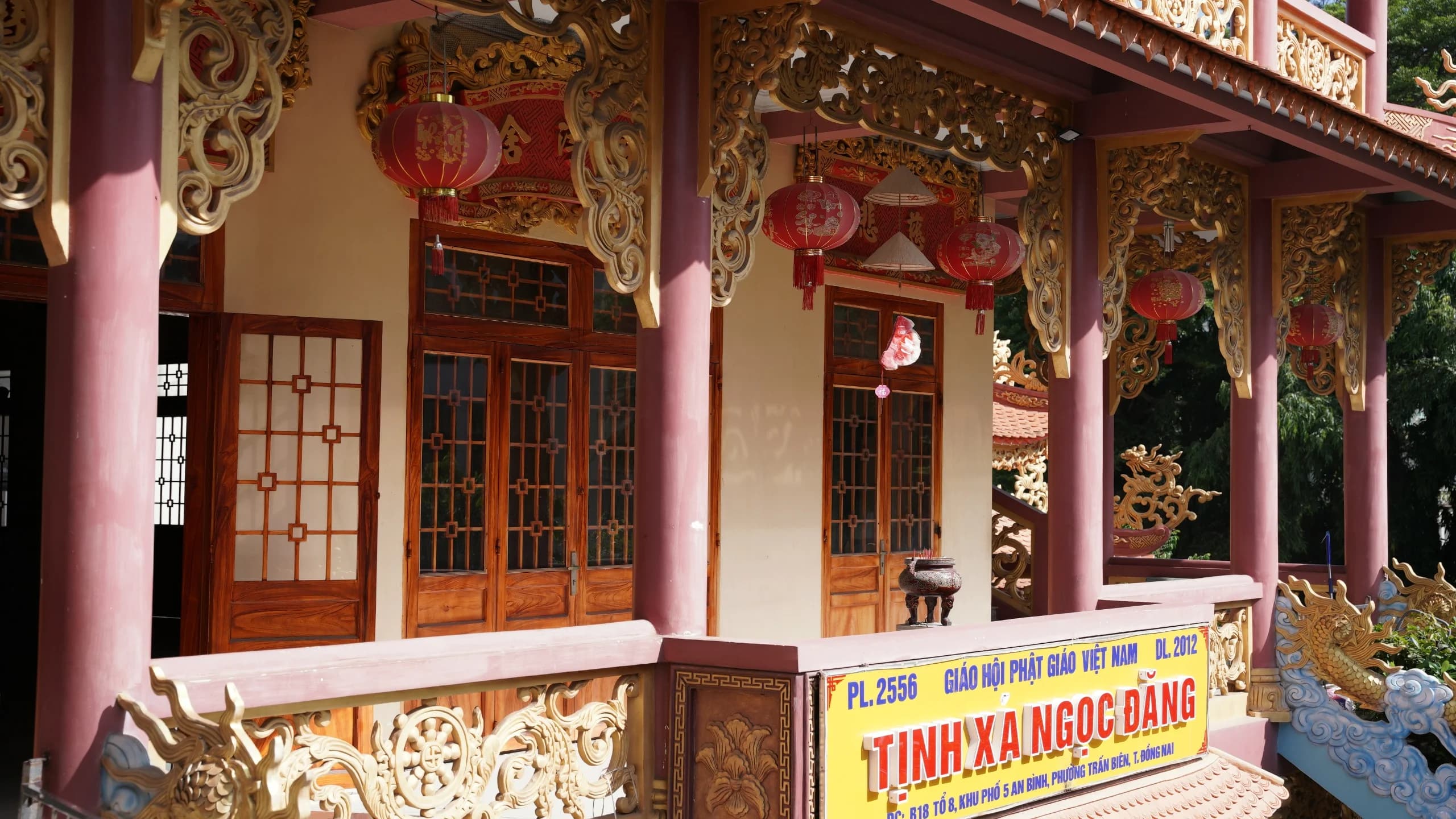

Tinh Xa Ngoc Dang
PAI 65.0Dong Nai Province
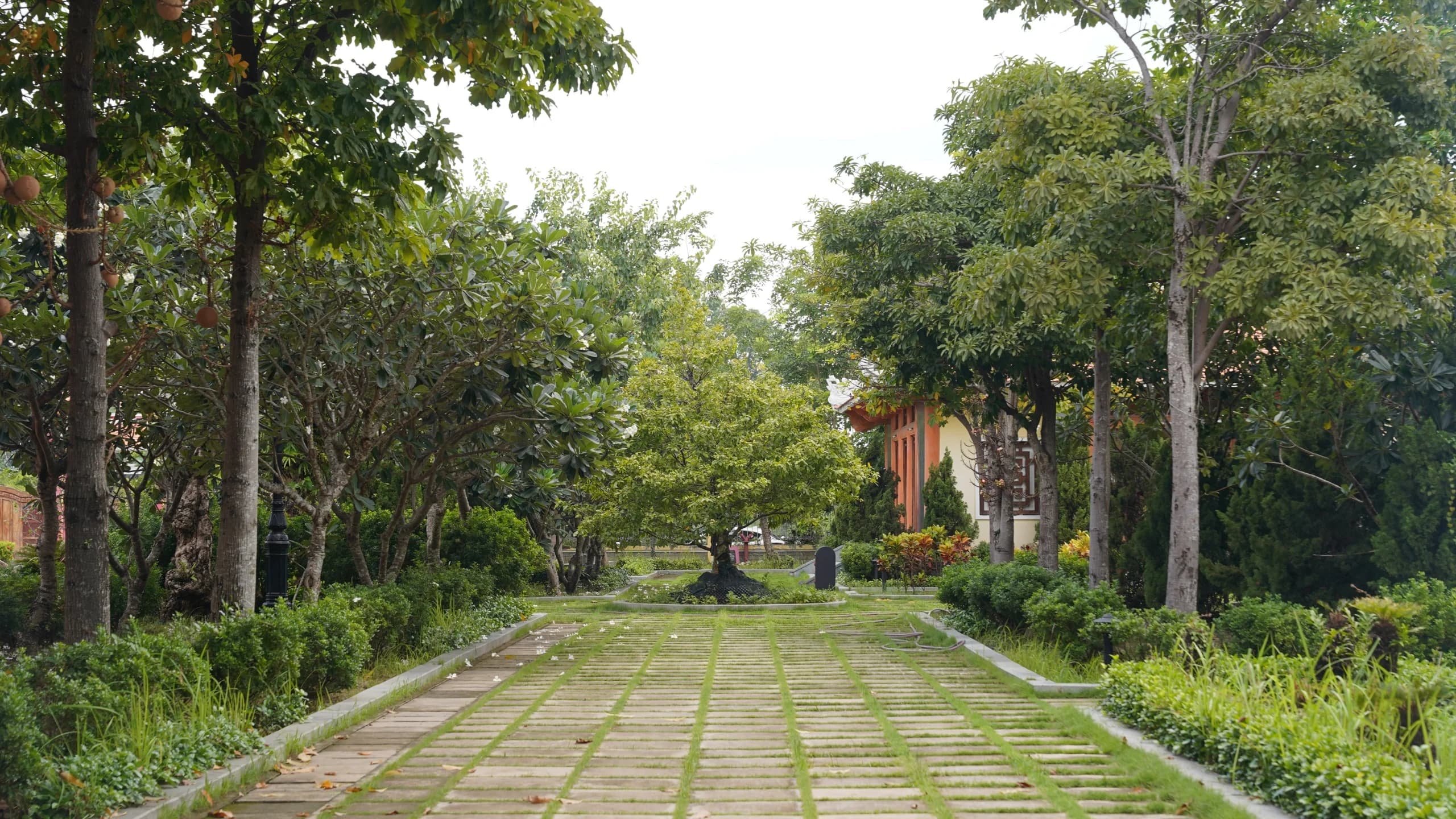
Nguyen Huu Canh Temple
PAI 65.0Dong Nai Province
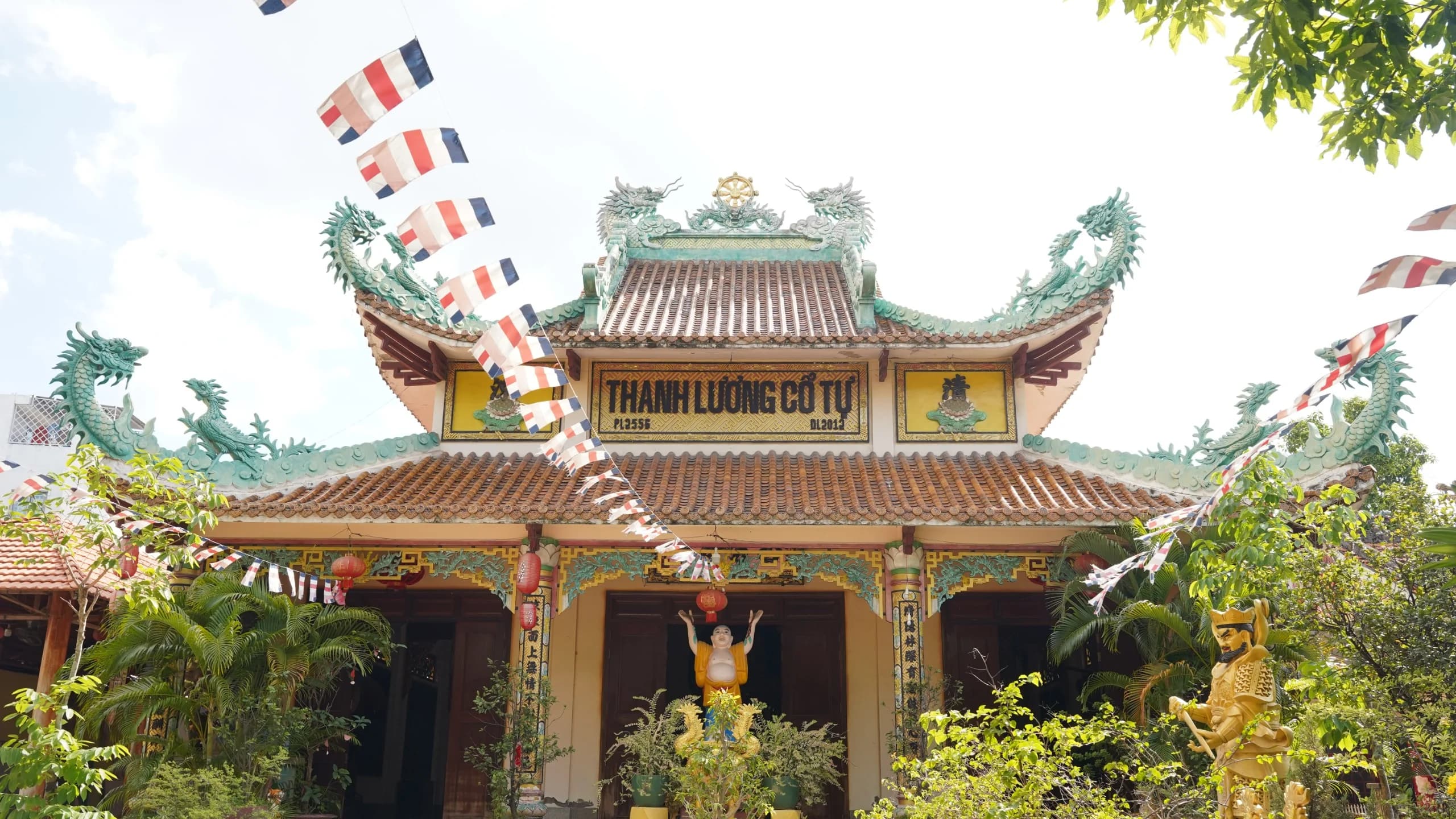
Thanh Luong Pagoda
PAI 65.0Dong Nai Province
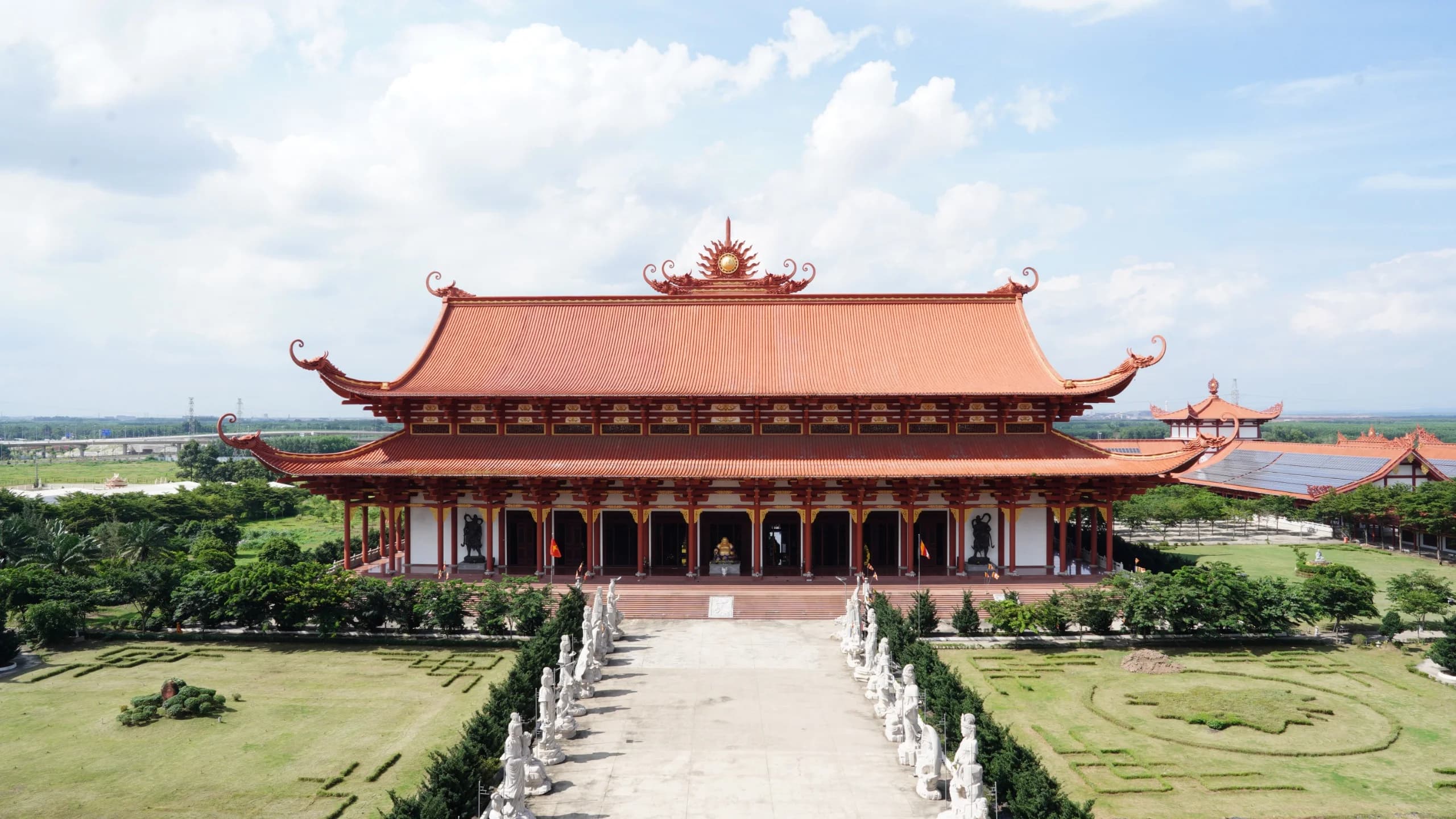
Quoc An Khai Tuong Pagoda
PAI 65.0Dong Nai Province
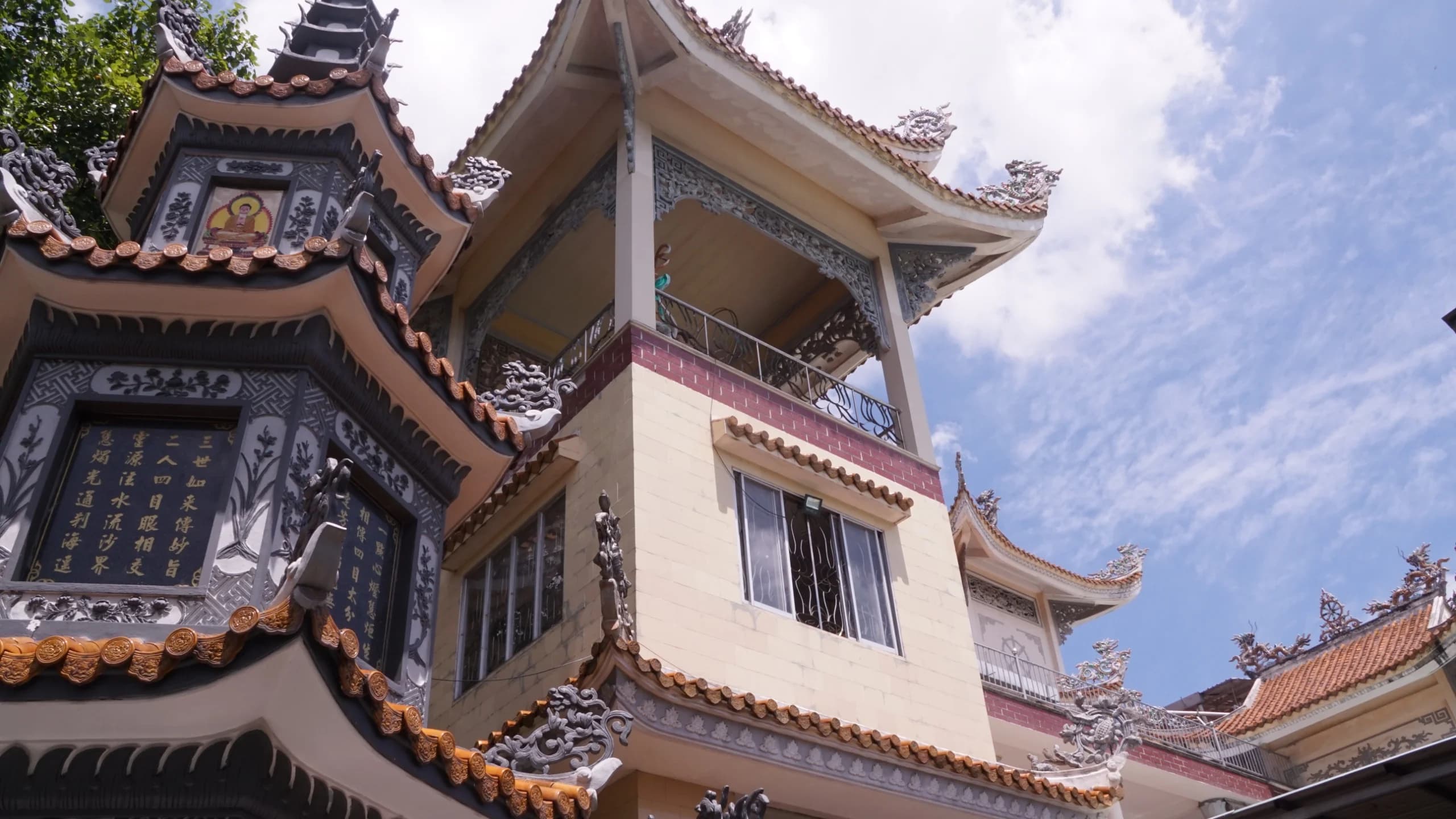
Dai Phuoc Pagoda
PAI 65.0Dong Nai Province
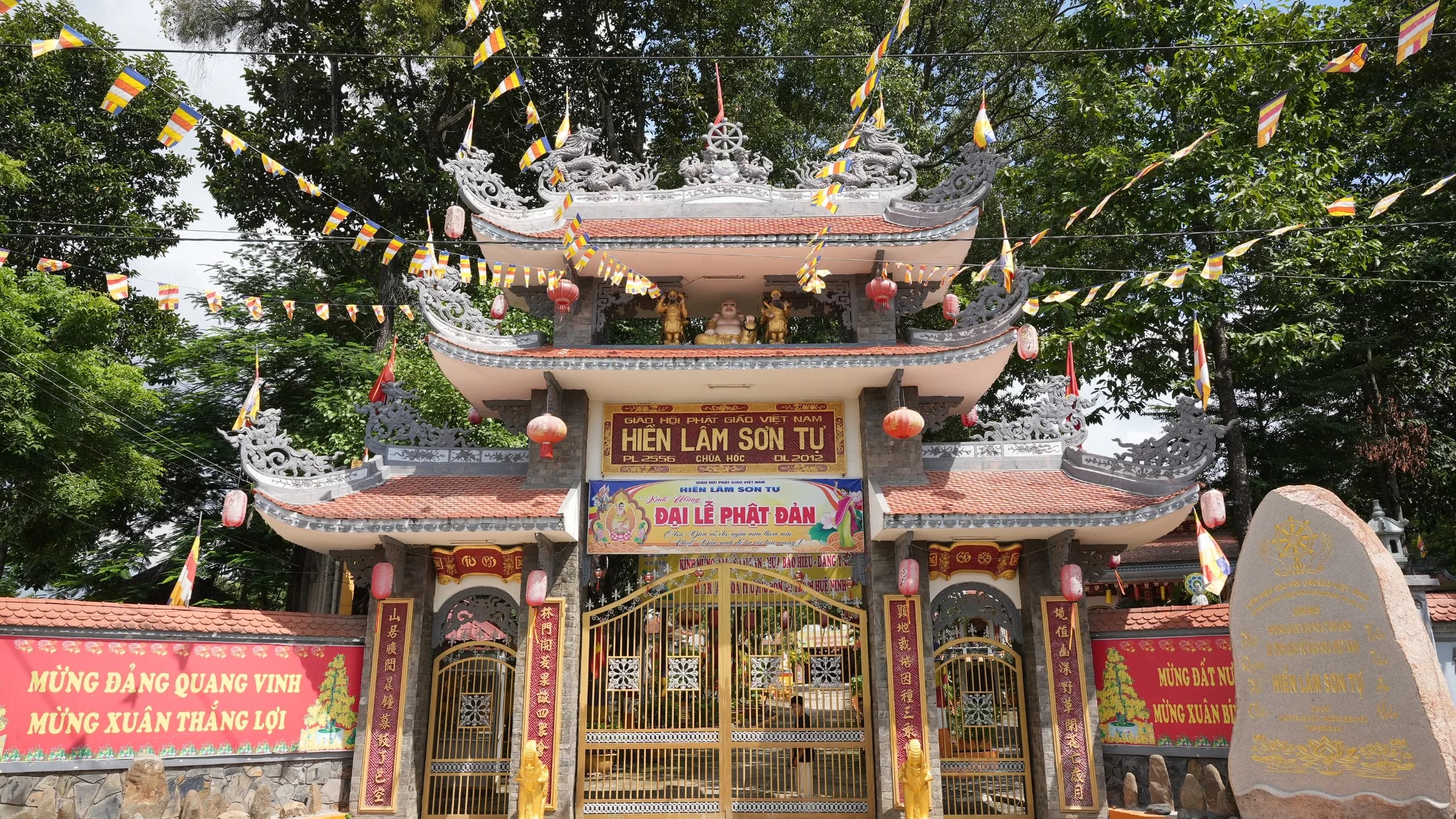
Hien Lam Son Tu
PAI 65.0Dong Nai Province
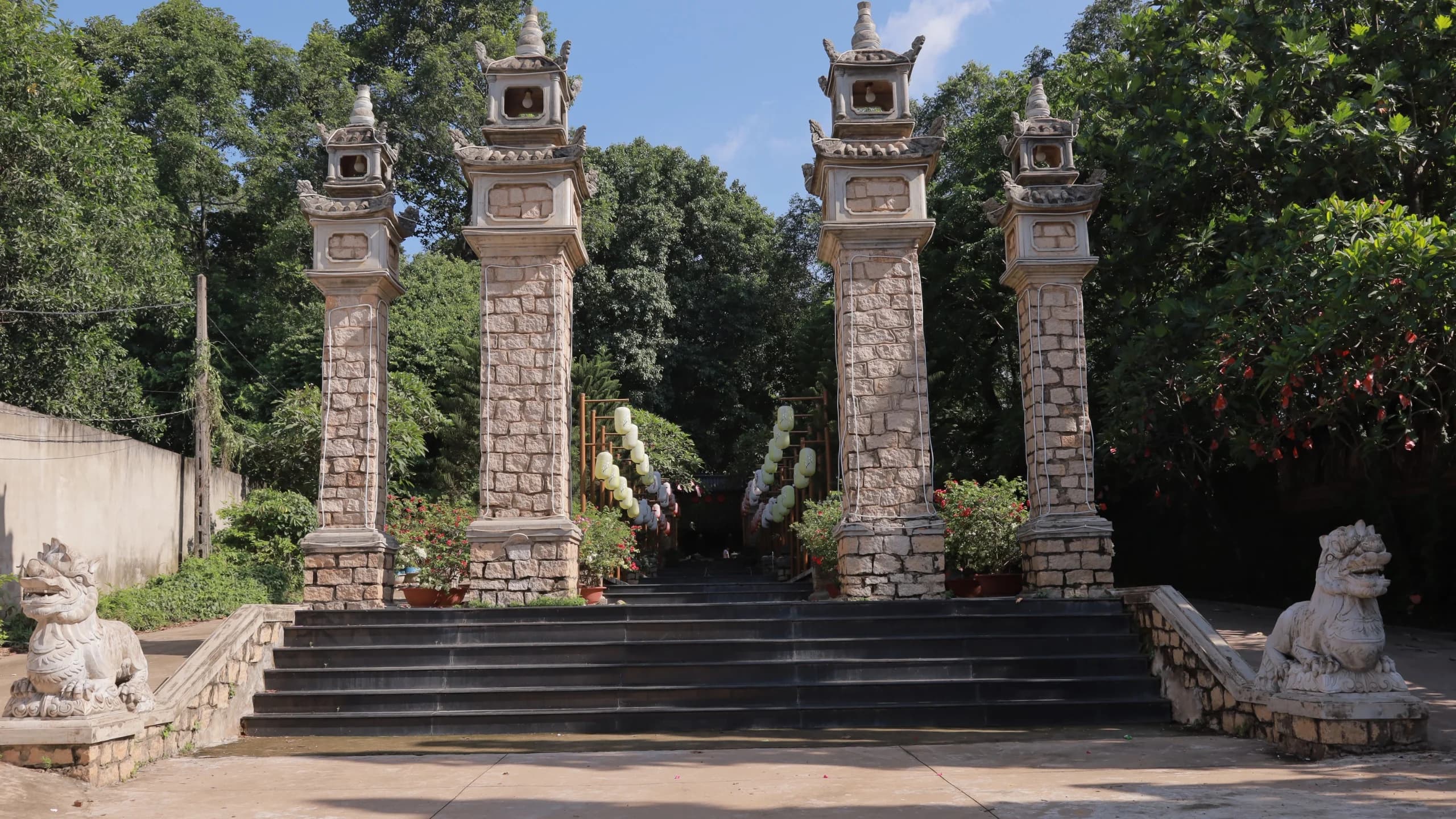
Phap Bao Pagoda
PAI 65.0Dong Nai Province
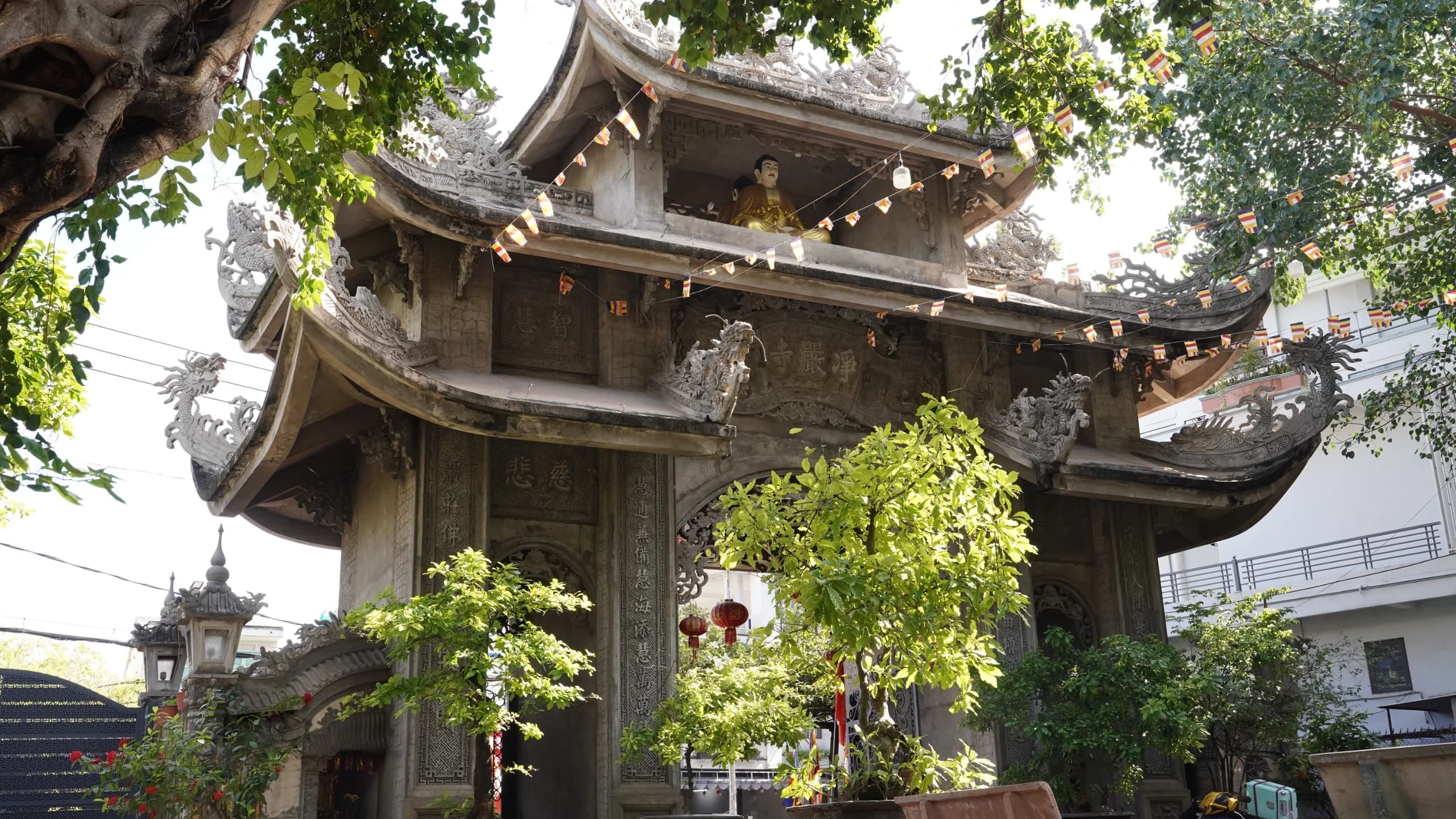
Tinh Nghiem Pagoda
PAI 65.0Dong Nai Province